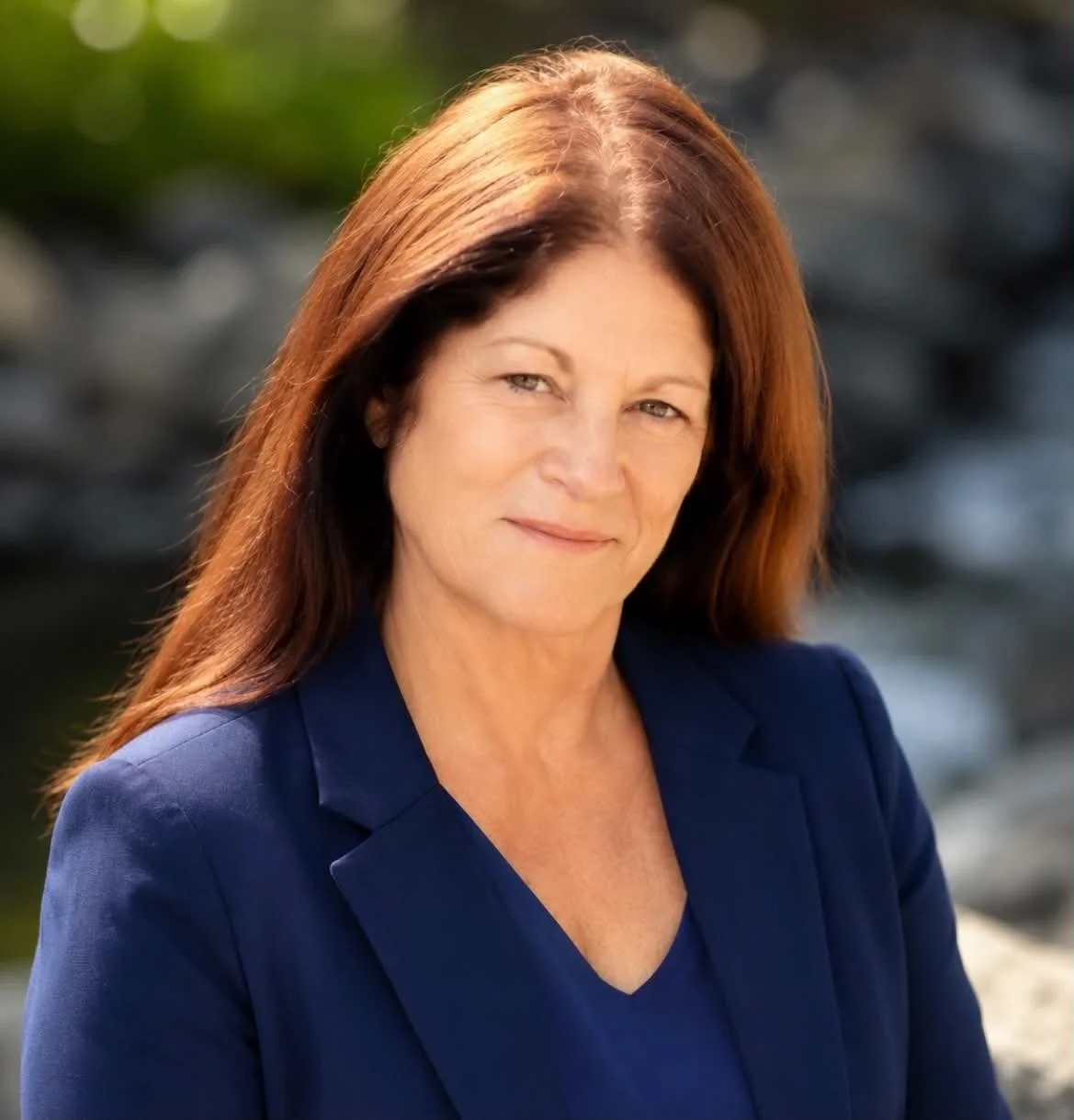
Nanette Herrell
Nanette is an End-of-Life Doula coming from a background of being a registered nurse, birth doula, and a person who has a myriad of personal experiences with end of life. She is inspired to fill this role of honoring the sacred nature, beauty, and liberation of embracing the end of life with grace. She strives to be a resource that enables people in a difficult situation feel supported, safe, and empowered.
A message from Nanette…
I am an End-of-Life Doula in Augusta, GA. I have a long history of caring for people as a medical professional, supporting mothers and babies as a registered nurse and birth doula. I have enjoyed empowering others to have their version of a good, holistic birth. I now offer that same support to people experiencing the other end of life’s journey, enriching their idea of a good and holistic death.
Death is a topic that many people are uncomfortable facing. However, talking about mortality can inspire us to live more fully, connect more deeply, and plan more intentionally. Fear of death makes the end of life harder. I feel compelled to provide a safe space, along with good tools, to lift the weight that avoiding this reality can instill. I want to enable people and their loved ones to see that there is such a thing as a good death. Death is a natural part of life that can be embraced instead of avoided.
I feel uniquely qualified for this role because of my background as a nurse, previous birth worker, and as someone who has walked through the death of loved ones a number of times. My vision is to combine my understanding of the medical system with my ability to hold space for processing, lead decision making, and even work through family dynamics when needed. I want to give to others what I’ve seen too many people lack; a grounded, knowledgeable person to walk beside them each step of the way.
After walking down the path with my father, mother, and sister, as well as other loved ones, I have seen that the right tools make all the difference in the experience for everyone involved. The loss of a loved one is never easy. However, there are things that can enable the process to go as smoothly as possible. I feel strongly that creating a safe space for people at the end of life, and those walking the path with them, provides an experience that embraces the sacred nature of a journey we will all share.
Nanette
“We are all just walking each other home.”
-Ram Dass
What is an End-of-Life Doula?
End-of-life doulas are trained, non-medical professionals who provide emotional, educational, and compassionate support to individuals and families before, during, and after the dying process. We help navigate the end-of-life experience in a way that reflects their values, wishes, and cultural or spiritual beliefs.
Unlike hospice nurses or physicians, end-of-life doulas do not provide medical care. Instead, they focus on helping people navigate the emotional, spiritual, social, and logistical aspects of dying in a way that aligns with the person's values, wishes, and beliefs.
Their role may include:
Providing companionship and emotional support to the dying person and their loved ones.
Facilitating conversations about goals, fears, legacy, and preferences for end-of-life care.
Helping individuals create advance care plans, such as documenting wishes for comfort measures, environment, rituals, or personal priorities.
Assisting with practical planning including organizing important information, discussing funeral or memorial preferences, and identifying community resources.
Supporting legacy work such as writing letters, recording stories, creating memory books, or helping families preserve meaningful traditions.
Offering comfort measures and presence, which may include guided relaxation, reading aloud, music, gentle touch (when appropriate), or simply sitting vigil.
Advocating for the person's expressed wishes by helping families understand and honor those preferences within the healthcare system.
Providing respite and guidance for caregivers, helping them understand what to expect during the dying process and offering emotional support.
Maintaining vigil during active dying, ensuring that the person is not alone if that is their wish, and supporting family members through the experience.
Offering bereavement support and referrals after death, including connecting families with grief counselors, support groups, or community resources.
End-of-life doulas often work alongside hospice teams, but they can also provide support before hospice is involved, in addition to hospice services, or for people who choose not to enroll in hospice.
Ready to Move Forward? Let’s Talk
Fill out the quick form below, and we’ll set up a free, no-pressure chat to explore how we can help.